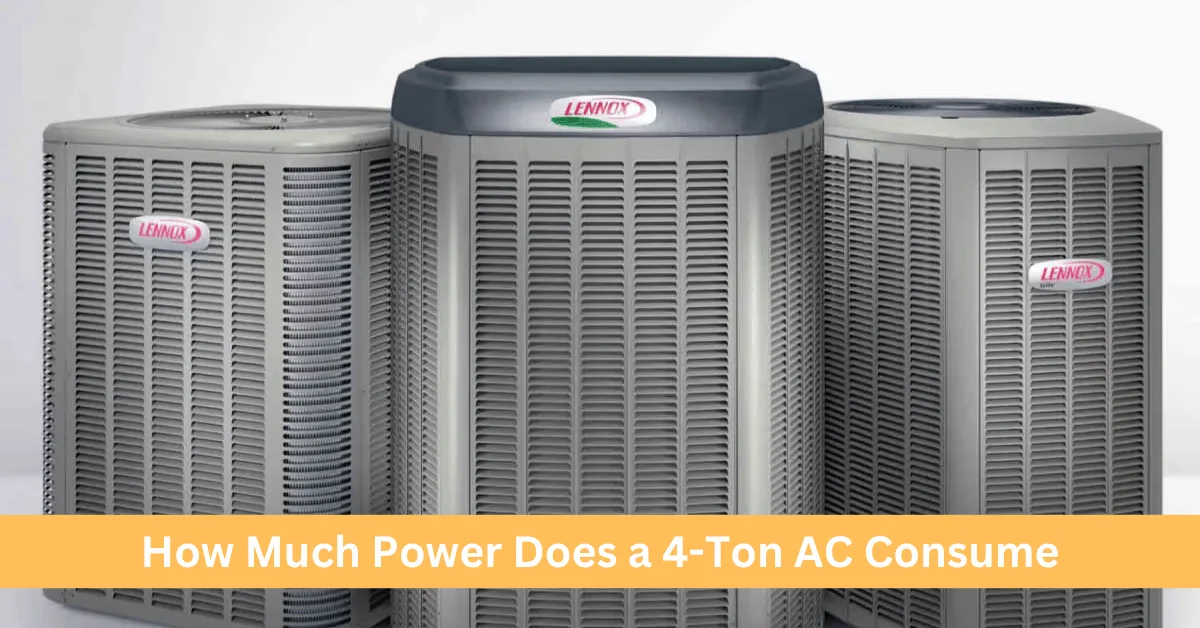
A standard 4-ton central air conditioner provides 48,000 BTUs of cooling per hour. It typically uses 3,500 to 4,500 watts (3.5–4.5 kW) of electricity. And a 4-ton AC draws about 15 to 20 amps on a 240-volt circuit.
But, this isn’t the exact number. The exact power consumption depends on the system’s SEER2 rating, compressor type, and operating conditions.
This guide explains typical wattage, kW and amp ranges for common 4 ton units, shows simple formulas to estimate kWh and cost, and highlights the settings, habits and upgrades that keep cooling strong while energy use stays under control.
Key Takeaways
|
What Is a 4-Ton AC Unit?
New to air conditioning and wondering about or confused by the term “ton”? This does not mean the weight of the unit, but rather its power to cool.
More specifically, 1 ton equals 12,000 BTUs/hr. It is a measure of how much heat the system can extract from a space in one hour.
The term is derived from the time when cooling was measured by how many tons of ice melted. One ton referred to the heat required to melt one ton of ice in a 24-hour period.
Cooling Capacity of a 4-Ton AC
That means a 4-ton AC removes 48,000 BTUs of heat every hour, which is a significant cooling capacity.
This system is typically designed for:
- Larger residential homes
- Multifamily configurations
- Open floor plans
- Light commercial applications
Typically, a 4-ton unit covers between 2,000 – 2,400 square feet, depending on climate, insulation, and layout.
Power vs. Efficiency
Just because an AC unit has 4 tons doesn’t necessarily mean it is highly efficient. The key factor is how much electricity the unit consumes to provide that cooling.
This is where energy efficiency becomes critical.
Why Two 4-Ton Units Can Differ
Two 4-ton central AC units could consume very different amounts of power, based on:
- Their underlying technologies
- EER and SEER ratings
- Maintenance history
Power consumption is just as important as cooling output when you’re calculating long-term performance and costs.
The Big Picture
It’s not just about how much cooling an AC can deliver. It’s about how efficiently it can do it.
That efficiency “sweet spot” is what you want to aim for, whether you’re buying a new system, upgrading, or evaluating your current one.
How Much Power Does a 4-Ton AC Unit Consume in 24 Hours?
A 4-ton AC consumes about 4.53 kW and can cool up to 50 square meters in about 1 hour. This is more powerful than 2 to and that’s why it serves better than that.

Typical Power Requirements for a 4-Ton AC
- Cooling Capacity: 48,000 BTUs per hour
- Running Power: 3,500–4,500 watts (3.5–4.5 kW)
- Running Current: 15–20 amps at 240 volts
- Startup Surge: 12,000–16,000 watts (Locked Rotor Amps)
- Recommended Breaker: 40–50 amp dedicated circuit
- Recommended Wire Size: 10 AWG copper wire
Why Does a 4-Ton AC Need So Much Power at Startup?
When the compressor kicks on, it briefly draws much more electricity than it does while running normally. This short spike is called Locked Rotor Amps (LRA), or simply the startup surge.
For a typical 4-ton AC unit, this surge can reach 12,000 to 16,000 watts, but only for a split second. Once the system stabilizes, it drops back down to its normal operating range of about 3,500 to 4,500 watts.
This surge matters most when you’re choosing a backup generator. In most cases, a 4-ton air conditioner needs a generator that can handle at least 15–17 kW just to cover that brief startup demand.
However, if the system uses a soft starter, the startup power draw can be reduced by up to 70%. That makes it much easier on the generator and the electrical system than the 5-ton.
High-Efficiency Systems Use Less Electricity
Not every 4-ton AC uses the same amount of power.
- Older 14 SEER systems typically consume 4,300–4,500 watts while running.
- High-efficiency 16+ SEER2 or inverter systems can reduce power consumption to 3,000–3,500 watts by adjusting compressor speed rather than running at full output continuously.
How Many Amps Does A 4 Ton AC Unit Pull?
A typical 4-ton central air conditioner draws 20 to 35 amps while running on a 230-volt, single-phase electrical circuit. The exact amperage depends on the unit’s SEER2 rating, compressor type, and overall system design.
Here are the typical electrical specifications for a 4-ton AC:
- Running Amps: Approximately 17–25 amps during normal operation.
- Minimum Circuit Ampacity (MCA): 25–36 amps, which helps determine the correct wire size. Most installations use 8 AWG or 6 AWG copper wire.
- Maximum Overcurrent Protection (MOCP): Typically a 30–40 amp breaker, although some systems with an electric heat strip may require a 50–60 amp breaker.
If you’re unsure about your system’s electrical requirements, check the manufacturer’s data plate on the outdoor condenser. It lists the exact MCA and MOCP values your installer or electrician should follow.
What Is the Method of Electricity Consumption?
Air conditioners operate at kW of energy consumption, a unit of power consumption in load. But the number you see on your bill isn’t just a function of the size of your unit. Some key factors include:
- For the unit: SEER (Seasonal Energy Efficiency Ratio). In other words, a system with a higher SEER rating provides the same cooling with less electricity.
- Install variables: The consumption of electricity to power the HVAC system depends on outside temperatures and the thermostat settings (what temperature the homeowner chooses to set the thermostat to), the quality of insulation in the home, and how well the home is sealed, including the service maintenance of the system.
- Age and design of the system: Some older units or units that are not properly maintained will utilize more energy to do the same work.
The technology that the two tonnage BTUs utilize can vary massively, and therefore, the energy they consume will also differ, even if they weigh the same tonnage.
Average Power Use Per Hour
While a standard 4-ton AC unit draws between 3.5 kW and 5.0 kW per hour while running for cooling, which is when the system is actually reducing the temperature in the room.
So for a more efficient system, like SEER 16 or better, that’s about 3.5 kW each hour. A less efficient or older model may consume 5.0 kW per hour or more.
When the unit is running, this difference in efficiency can lead to huge savings, particularly if the unit is operating for long hours each day (8 hours a day in summer time for instance).
For Example: How to Charge for Electricity
To grasp the possible costs, let’s make a very simple example.
For example, say your 4-ton AC runs ~4 kW per hour, and the electricity rate in your locale is $0.15 per kilowatt-hour.
- Price/hour = 4 kW × $0.15 = $0.60
- Cost per day (8 hours) = $0.60 × 8 = $4.80
- Cost for a month (30 days) = $4.80 × 30 = $144
Actual costs can differ depending on where you live, electricity rates, quality of insulation, outside temperatures, as well as if you have a smart or programmable thermostat.
How to Calculate Estimated Monthly Costs?
Wondering how much a 4-ton AC will add to your electric bill? The calculation is actually pretty simple.
Use this formula to estimate your daily energy usage:
Watts × Hours of Operation ÷ 1,000 = Daily kWh
For example, if your air conditioner uses 4,000 watts and runs for 8 hours during a hot summer day, it will use:
4,000 × 8 ÷ 1,000 = 32 kWh per day
To estimate your monthly usage, multiply your daily kWh by the number of days in the month:
32 × 30 = 960 kWh per month
Then, multiply your monthly energy use by your electricity rate. If you pay $0.16 per kWh, the calculation looks like this:
960 × $0.16 = $153.60 per month
Keep in mind that this is only an estimate. Your actual cost depends on your local utility rate, outdoor temperatures, your thermostat setting, and how often your AC cycles on and off throughout the day.

What Influences Power Usage?
If you have a 4-ton AC (it is rated), it does not mean it will use the same amount of power each time it runs. Consumption is based on numerous aspects, including technical specifications, the environment, and daily utilization practices.
Efficiency of the Unit
The biggest influencing factor is your air-conditioner’s efficiency. This is usually quantified by the SEER (Seasonal Energy Efficiency Ratio) scale. The SEER rating indicates how much cooling a unit delivers for each watt of electrical energy it consumes.
Most newer systems have SEER ratings of 16 or higher; many older models may be below 13. Inefficient units use more energy to provide the same cooling effect as your gas heating, hence more expensive on your energy account. If you can replace an old unit with a new and more efficient one, you will save a lot.
4 Ton Air Conditioner Install and Service
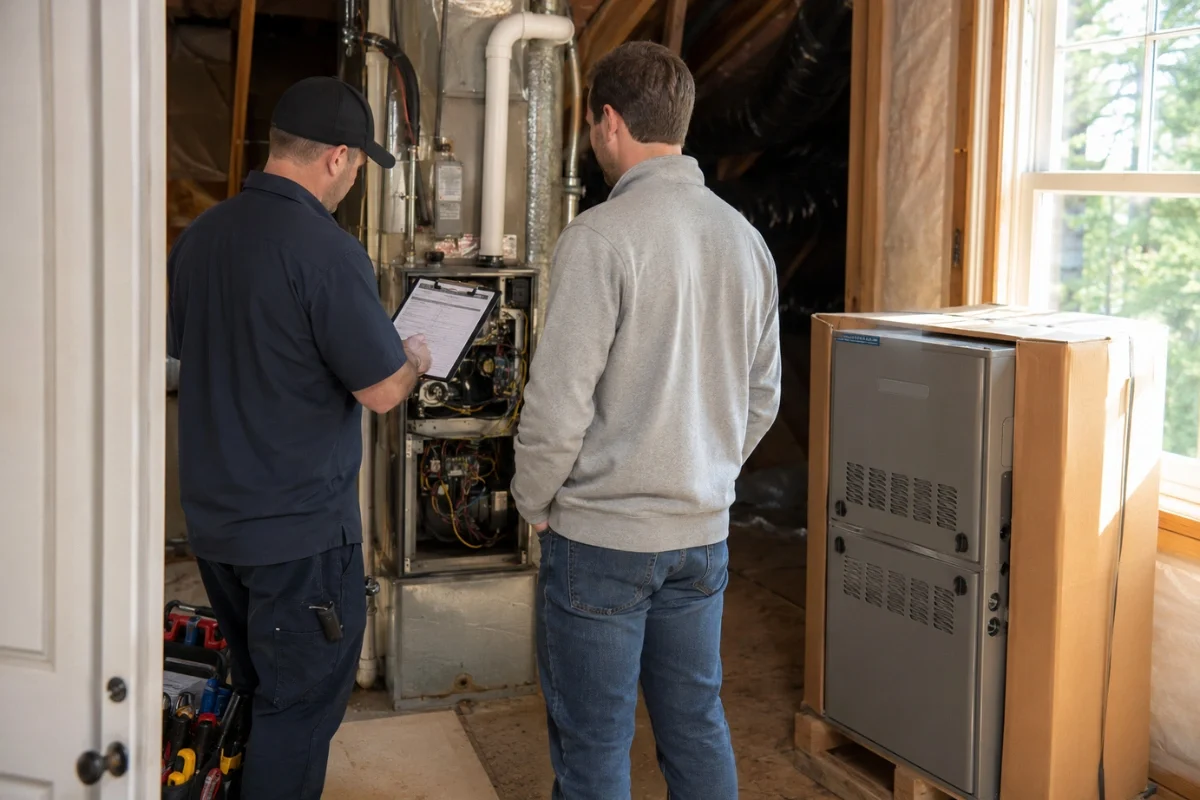
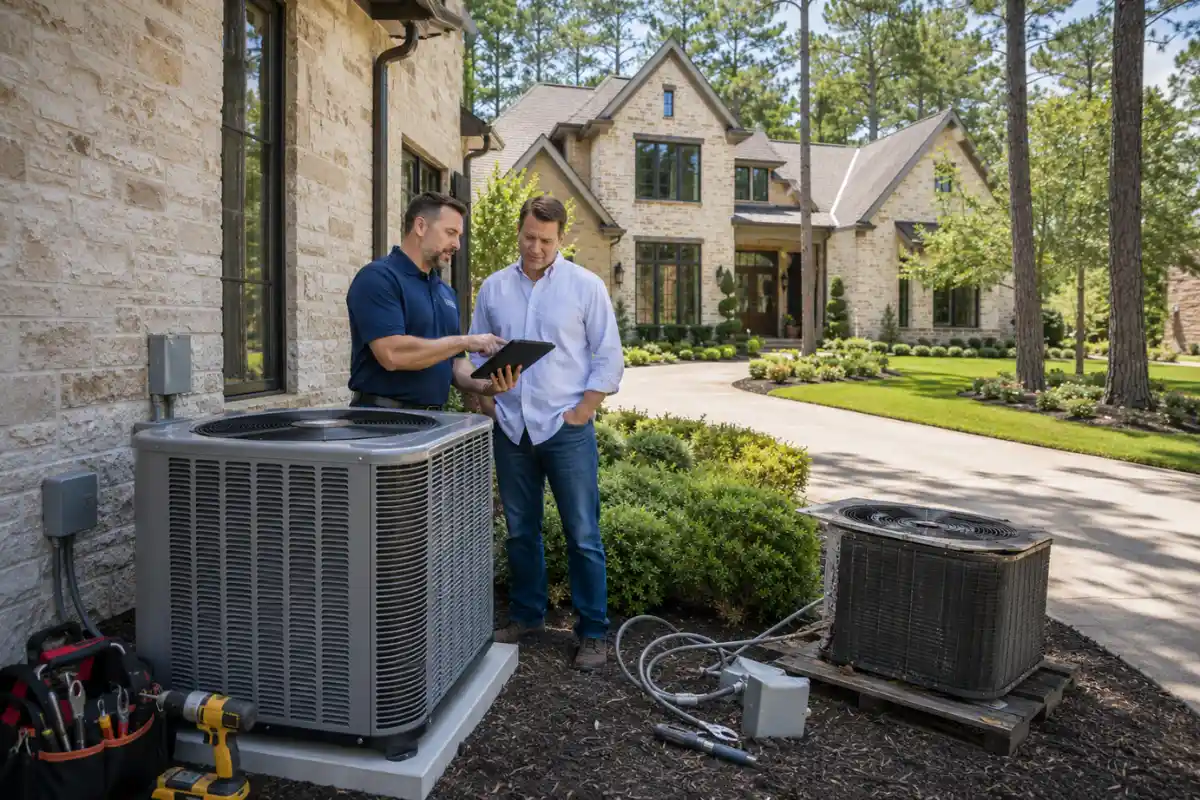
Even the most amazing system will fail if poorly installed or if it’s not properly maintained for many years.
An experienced technician will make sure that the system is sized properly for the space and that it is installed according to the manufacturer’s specifications. This allows the unit to:
- Operate at the correct temperature
- Avoid short cycling
- Maintain its efficiency range
Why Ongoing Maintenance Is Key
Ongoing maintenance becomes essential after installation. Simple procedures such as coil cleaning, refrigerant refilling, and air filter replacement or washing can make a big difference.
Dirt-clogged filters and low refrigerant levels force the system to work overtime, consuming more electricity and increasing the chance of a breakdown.
Routine Service Saves You Long-Term
We highly recommend yearly service by a qualified technician. Regular inspections help ensure that any concerns are addressed before they become major problems.
When properly maintained, your unit can:
- Run at full efficiency
- Last longer
- Keep energy costs under control
Having a properly maintained AC system means better cooling and lower electricity usage throughout the years.
Advantages of a 4-Ton AC Unit
The difference with a 4-ton air conditioning unit is that it is capable of delivering consistent, effective cooling to larger spaces. With the correct array of parts in place, it transforms into a hard-hitting, efficient, but luxurious system. The following are just some of the top features and pros of selecting a unit of this size.
Perfect Cooling for Large Areas
For example, a 4-ton unit is capable of removing nearly 48,000 BTUs of heat per hour. This is ideal for cooling residential or commercial spaces of between 2,000 and 2,400 square feet of living area, depending on insulation, ceiling height, and window exposure.
If your whole home receives a lot of sun, the smaller units may struggle, especially in larger homes or those with open floor plans.
Built for Energy Efficiency
Current 4-ton AC units are designed keeping in mind the consumption of electricity. Most units also include high SEER ratings, as well as features like variable-speed compressors and advanced cooling technologies to cut down on electricity consumption.
In hotter climates, these systems can dramatically reduce energy costs over the years, when compared to older or larger, less efficient models.
Built to Be Robust and Reliable
Designed for longevity and able to tolerate a wide range of temperatures. With proper installation by an experienced technician and ongoing maintenance, a four-ton AC unit can keep offering reliable cooling season after season.
Parts such as compressors and evaporator coils are constructed for durability, they remain a good option for a home or business where cooling is an ongoing need throughout the year.
A Cost-Saving Solution for the Long Run
While a 4-ton AC unit costs more upfront than smaller systems, it usually pays off over time. Lower electric bills due to better energy efficiency, and the properly sized units need fewer repairs.
Extended warranties are also included in many high-capacity systems, so homeowners will additionally enjoy a lower risk of unexpected expenses.
New Features for Better Comfort
A lot of them are compatible with smart thermostats to supply exact temperature management and programmed schedules.
Additionally, many units also come equipped with built-in dehumidifiers or air purifiers to help keep the air around you cleaner and manage humidity levels in your living space. This functionality is beneficial in humid areas and for individuals suffering from allergies.
Methods to Reduce Electricity Expenses When Using a 4-Ton AC
Smart upgrades and consistent habits can increase efficiency and reduce your monthly expenses.

Choose a High-Efficiency Unit
One of the best ways to do this is to have units with higher SEER ratings. SEER – Seasonal Energy Efficiency Ratio SEER determines how much cooling is provided per unit of electricity used. Anything over 16 is considered a good rating for efficiency. An energy-efficient replacement will pay you back over the years if you’re upgrading from older, less efficient systems.
Replace It With a Programmable or Smart Thermostat
A reasonably good upgrade, other than that, is to get a thermostat that automatically adjusts the temperature according to a schedule. Using a programmable thermostat to adjust settings throughout the day reduces cooling when the home is empty.
Smart thermostats do even more when you set a temperature schedule, include your schedules, and make automatic adjustments based on those readings. This allows the AC to function only when needed, reducing energy waste.
Making a Smart Decision with a 4-Ton AC
Choosing and running a 4-ton air conditioning unit is a significant decision, particularly because of its impact on your comfort and your utility bills. But when handled wisely, this system can deliver unmatched efficiency and long-term value.
Whether you’re a homeowner looking to upgrade or a business managing climate control in a large space, understanding the full scope of your AC’s power usage is crucial.
Quick Recap
A 4-ton AC unit typically:
- Consumes between 3.5 and 5.0 kilowatts per hour
- Covers around 2,000 to 2,400 square feet of space
With consistent maintenance, proper installation, and smart habits, it can keep your indoor environment comfortable while keeping energy costs in check.
Pro Tips to Reduce Operating Costs
If you’re aiming to cut down on monthly energy bills, consider these smart practices:
- Audit insulation and sealing annually to prevent cool air loss and reduce system load.
- Invest in energy-efficient curtains or blinds to block heat during peak sunlight hours.
- Vacuum or wash air filters regularly to improve airflow and performance.
- Keep furniture and objects away from air vents for proper circulation.
- Avoid setting the thermostat below 72°F unless necessary, especially when you’re not home.
- Use ceiling fans in summer to support your AC and allow for higher thermostat settings.
- Schedule bi-annual HVAC checkups with a certified technician to catch minor issues early.
- Replace outdated units (over 10 years old) with high-efficiency models to lower electricity costs.
Final Remarks
When you take these steps seriously, even a power-hungry appliance like a 4-ton air conditioner can become a sustainable and cost-effective solution. It’s not just about cooling the space, it’s about doing so intelligently and responsibly.
With everything laid out in this guide, from technical breakdowns to cost-saving strategies, you are now better equipped to make informed choices about your 4-ton AC unit. Use this knowledge to optimize performance, reduce electricity bills, and get the most out of your investment.
FAQs
How Many Amps Does A 4-Ton AC Unit Draw?
Typical range: 16–20 amps, depending on the unit’s specifications. Different air conditioners have varying amperage requirements based on their specifications.
Can A 4-Ton AC Work With Solar Power?
Yes, but it requires a system with sufficient capacity (e.g., a 5–6 kW solar array).
Is A 4-Ton Ac Suitable For Small Homes?
Not recommended; oversizing leads to inefficiency and increased energy use.
Is A Variable-Speed Compressor Worth It?
Yes. It adjusts output based on demand, reducing energy waste and improving comfort, especially in varying weather conditions.
Do Smart Thermostats Really Help?
They do. By learning your schedule and adjusting settings, smart thermostats can reduce cooling costs by 10-15%.

I’m Francis Kaspar, a 35-year-old HVAC technician with over 10 years of experience in the industry. I hold a certification in HVAC technology from Texas State Technical College, where I gained hands-on skills that shaped my career.
Currently, I’m working at The Chill Brothers, specializing in AC installation, repair, and energy-efficient solutions. Outside of work, I enjoy spending time with my wife and two kids.
I’m also passionate about sharing my HVAC knowledge written by articles that provide practical tips and tricks for homeowners.