
Key Takeaways:
- If you are having a furnace breakdown there are some things you can do before calling a technician such as checking the thermostat, inspecting the air filters, ensuring the furnace power is on and more!
- If none of the tips work, give us a call today for all of your furnace needs!
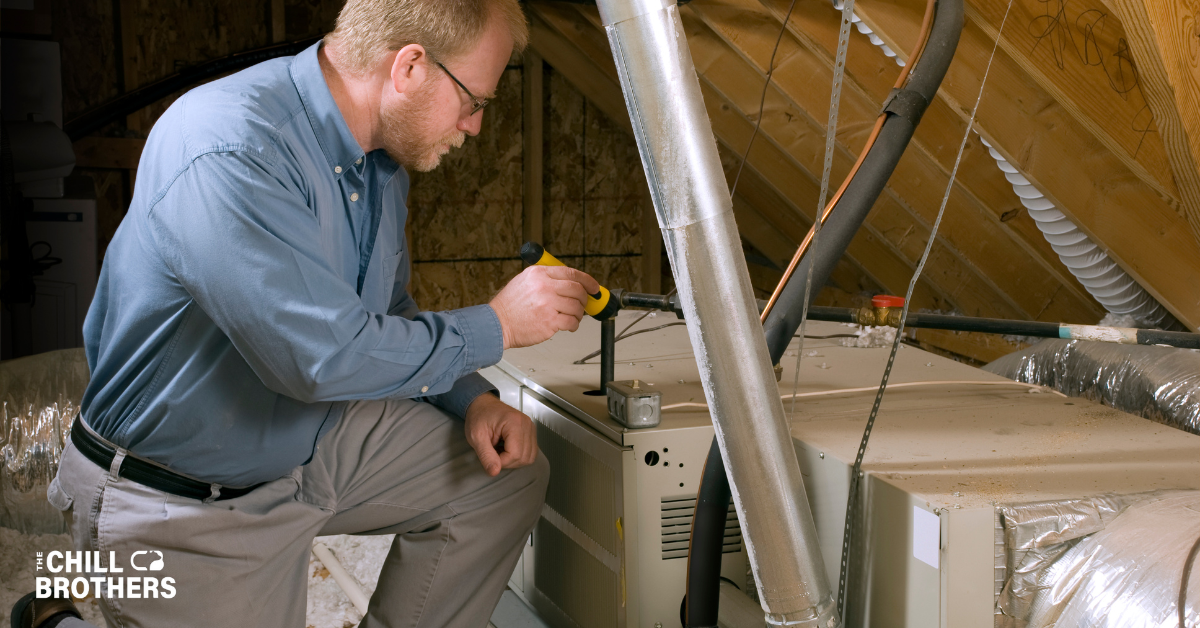
A furnace breakdown in the middle of winter can feel like an emergency of epic proportions. The temperature is dropping, your family is bundled in blankets, and you’re wondering how soon a technician can get to you. But before you reach for the phone, there are a few steps you can take to troubleshoot the problem yourself. Some issues can be resolved quickly and easily without professional help—and that’s a win for both your wallet and your comfort.
Here’s a simple guide to what you can do before calling in the experts.

Step 1: Check Your Thermostat
It might seem obvious, but you’d be surprised how often the thermostat is the culprit. Make sure it’s set to “Heat” and that the temperature is set higher than the current room temperature. If your thermostat uses batteries, double-check that they’re still working. Replacing dead batteries could be the quick fix you need!
In some cases, it could be due to an outdated thermostat. With a new, smart thermostat it can help control energy consumption and improve indoor comfort! If you are interested in upgrading to a smart thermostat, give us a call today!
Step 2: Ensure the Furnace Power is On
Your furnace needs power to operate. Locate the furnace switch (usually a standard wall switch near the unit) and make sure it’s turned on. Also, check your circuit breaker to ensure the furnace hasn’t tripped a breaker. If the breaker is off, reset it and see if your furnace starts working again.
Step 3: Inspect the Air Filter
A clogged air filter can restrict airflow and cause your furnace to shut down as a safety precaution. Take a look at your filter—if it’s covered in dust and debris, it’s time for a replacement. Regularly changing your air filter not only keeps your furnace running smoothly but also improves your indoor air quality.
Step 4: Check the Pilot Light or Ignition System
If you have an older furnace with a pilot light, make sure it’s lit. If it’s out, follow the manufacturer’s instructions to relight it safely. For newer models with electronic ignition systems, look for error codes on the furnace display. These codes can give you clues about what’s wrong.
Step 5: Confirm the Gas Supply
For gas furnaces, ensure the gas supply is turned on. Check the gas valve near the furnace and make sure it’s in the “on” position. If you smell gas, do not attempt to troubleshoot further. Leave your home immediately and contact your gas company or local emergency services.
Step 6: Inspect Vents and Registers
Blocked vents or registers can disrupt your furnace’s ability to distribute heat effectively. Walk through your home and make sure all vents and registers are open and unobstructed by furniture, curtains, or other items.
Step 7: Look for Unusual Noises or Smells
Sometimes, your furnace might give you clues about what’s wrong. Listen for unusual sounds like banging, rattling, or whistling, and take note of any strange odors. These signs can help a technician diagnose the issue more quickly if you end up needing professional assistance.
When to Call a Technician
If you’ve gone through these steps and your furnace still isn’t working, it’s time to call in a professional. A licensed HVAC technician has the tools and expertise to diagnose and fix complex issues safely and efficiently. Be sure to let them know about any troubleshooting steps you’ve already taken—this can save time during the service call.
Prevent Future Breakdowns
While it’s impossible to predict every furnace problem, regular maintenance can significantly reduce the risk of unexpected breakdowns. Schedule an annual furnace tune-up with a trusted HVAC company to keep your system in peak condition. A little proactive care can go a long way in ensuring your home stays warm and comfortable all winter long.
A furnace breakdown can be stressful, but by following these steps, you might be able to resolve the issue quickly and get back to enjoying the cozy warmth of your home. And if you do need to call a technician, you’ll have peace of mind knowing you’ve done everything you can to address the problem yourself.

I’m Francis Kaspar, a 35-year-old HVAC technician with over 10 years of experience in the industry. I hold a certification in HVAC technology from Texas State Technical College, where I gained hands-on skills that shaped my career.
Currently, I’m working at The Chill Brothers, specializing in AC installation, repair, and energy-efficient solutions. Outside of work, I enjoy spending time with my wife and two kids.
I’m also passionate about sharing my HVAC knowledge written by articles that provide practical tips and tricks for homeowners.