As the winter chill sets in, our reliance on furnaces to keep our homes warm increases. Furnaces are a crucial part of our heating systems, so it’s essential to prioritize safety during the colder months. Neglecting furnace safety can lead to potential hazards, including carbon monoxide leaks, fires, and inefficiencies. Here are essential furnace safety tips for Winter:
TL;DR
Start with regular inspections to identify potential hazards early. Don’t overlook the importance of changing air filters frequently. Installing carbon monoxide detectors is a must to safeguard against invisible dangers while clearing vents and ducts ensures proper airflow and prevents blockages.
Keep combustible items far from your furnace to minimize fire risks. Make sure ventilation systems are functioning well to expel harmful gases. Finally, stay alert for unusual noises or smells that could signal a problem, and address them promptly for peace of mind throughout the season.
1. Regular Inspections
The most effective way to guarantee furnace safety is through regular inspections.
Any form of gas leak, faulty electrical connections, and worn-out components are spotted in the inspection. Professionals can identify and address them before they become hazards.
With safety checks, a professional will visually inspect your whole system, evaluate the performance, test efficiency, and suggest changes based on the findings.
Get a maintenance check from a certified HVAC technician at least once a year. If your area had a recent severe storm or any other extreme weather events, it is a good idea to get your furnace inspected.
For a limited time only, The Chill Brothers are offering a one-time heating tune-up for only $69! Call them today or visit their website to secure your comfort!
2. Change Air Filters Regularly:
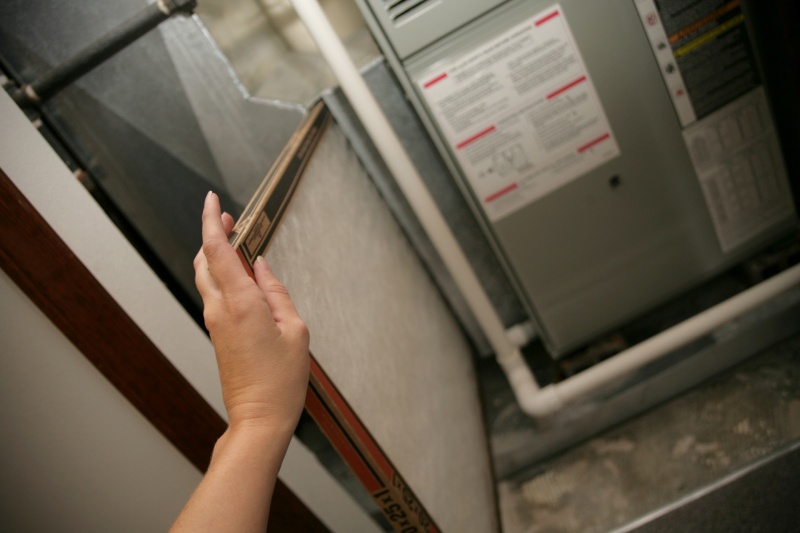
Furnace with clogged filters works harder than usual and overheats. A clogged filter also stresses the system by reducing airflow and premature wear and tear.
A furnace with clogged filters can’t also vent combustion gases properly. This can cause safety hazards too.
Change your air filter every 1-3 months. The frequency can depend on the system and air filter. However, don’t use a filter more than the manufacturer’s recommendations.
3. Install Carbon Monoxide Detectors:
Carbon monoxide is a colorless, odorless gas. A malfunctioning furnace is a common source of carbon monoxide. Incomplete combustion of fuels causes it.
The presence of high carbon monoxide can lead to headache, dizziness, nausea, shortness of breath, and in severe cases, death.
Carbon monoxide detectors help locate the presence of the gas which is unidentifiable otherwise. Install carbon monoxide detectors on every floor of your home, especially in sleeping areas. Check the batteries regularly and replace them annually to ensure these life-saving devices are always operational.
4. Clear Vents and Ducts:
Blocked vents and ducts restrict the airflow like a clogged air filter. Blocking them has the same effect.
Visually inspect and clear all vents and ducts. Move furniture, curtains, or other items blocking vents. Use a vacuum cleaner with brush attachments to remove dust and debris from vents and ducts.
Proper ventilation not only prevents potential fire hazards but also enhances comfort.
5. Keep Combustible Items Away:
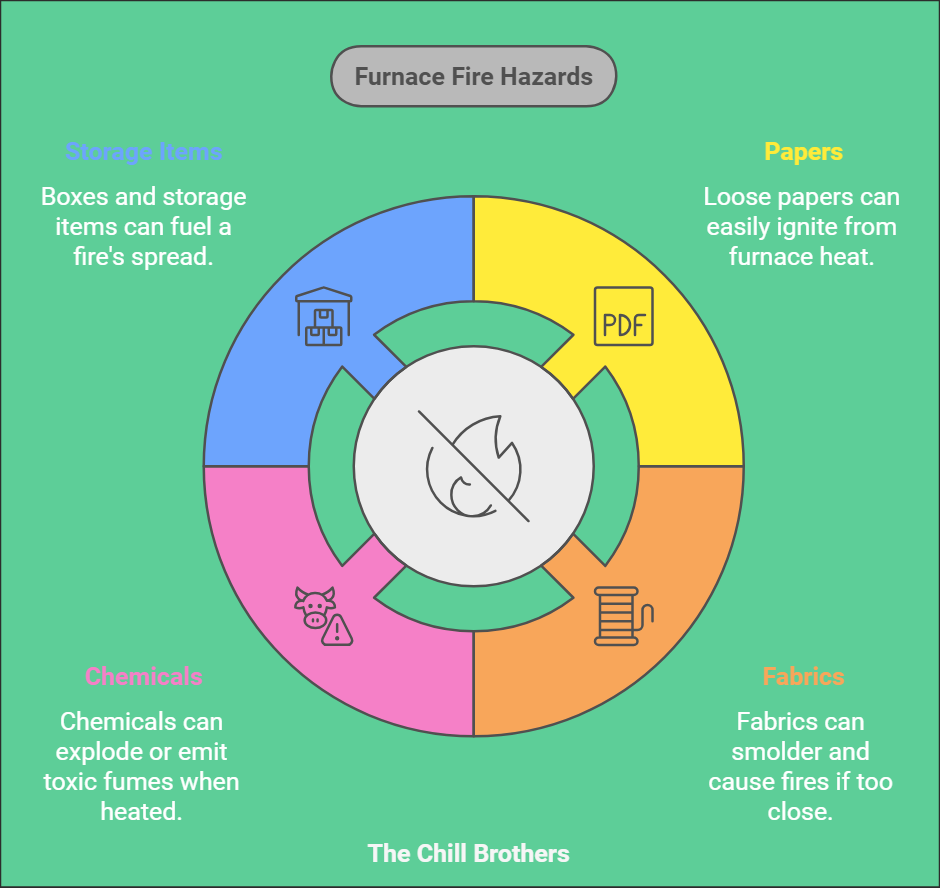
Furnaces generate heat. So, any combustible materials nearby can create a fire hazard.
Common combustible items to look out for near the furnace are:
- Papers
- Farbics
- Chemicals and cleaning supplies
- Storage items like boxes
Remove all the combustible materials. Create a minimum clearance of 2-3 feet on all sides. If possible, keep a fire extinguisher near the furnace.
6. Ensure Adequate Ventilation:
Furnace produces harmful gases like carbon monoxide. Proper ventilation system can let those gases escape and keep a safe environment. Adequate ventilation can also help prevent moisture buildup and improve efficiency of the overall system.
Some signs of inadequate ventilation are:
- Soot (black, powdery substance) buildup in the furnace
- Musty odor
- Condensation on windows or walls
Regularly inspect the signs to ensure proper ventilation. Clean the chimney, outdoor vents, and ventilation grilles regularly to avoid any blockage.
7. Be Mindful of Unusual Noises or Odors:
A humming sound from the blower motor and occasional clicking sounds are normal in a running furnace. Malfunctioning furnaces make rattling or screeching noises which are unusual.
The same goes for smells. Normally, your furnace shouldn’t produce any unusual smells. A dusty smell is normal when you haven’t used the furnace for a long time. But any other smell should call for an inspection.
When you notice any unusual noise or smell, turn off the furnace first. Look for visible issues. If you can’t find any problem or solve it, contact experts like The Chill Brothers.
Conclusion
Prioritizing furnace safety is essential for a warm and worry-free winter. By following these tips and investing in regular professional maintenance, you can ensure the reliable and safe operation of your furnace throughout the colder months.

I’m Francis Kaspar, a 35-year-old HVAC technician with over 10 years of experience in the industry. I hold a certification in HVAC technology from Texas State Technical College, where I gained hands-on skills that shaped my career.
Currently, I’m working at The Chill Brothers, specializing in AC installation, repair, and energy-efficient solutions. Outside of work, I enjoy spending time with my wife and two kids.
I’m also passionate about sharing my HVAC knowledge written by articles that provide practical tips and tricks for homeowners.