Key Takeaways:
- Storms can cause hidden damage to your HVAC system that impacts efficiency and lifespan.
- Preventative maintenance and protective steps can help you avoid costly repairs after severe weather.
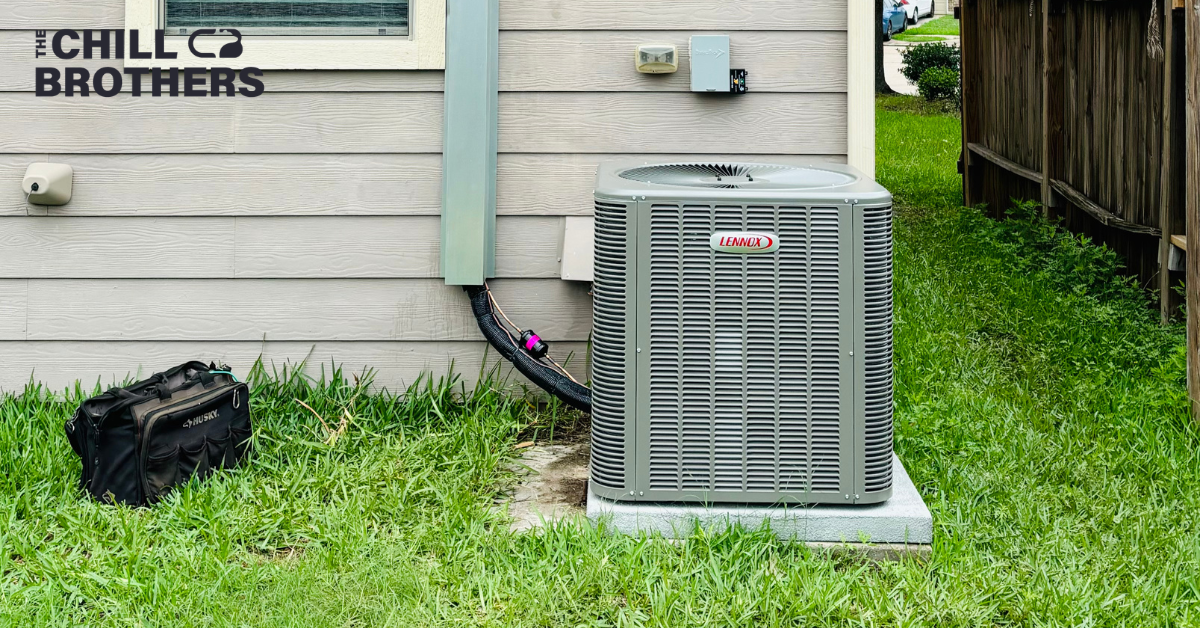
When strong storms hit, most people worry about their roof, windows, or car. What often gets overlooked is the HVAC system sitting right outside the home. Rain, wind, lightning, and even flooding can all take a toll on your heating and cooling system, and while you may not notice the effects right away, storms can create long-term problems that affect both comfort and energy bills.
Your HVAC system is designed to handle outdoor conditions, but severe or repeated storms gradually wear it down. By understanding the risks and signs of damage, you can take action before small issues turn into expensive repairs.
Wind and Debris Damage
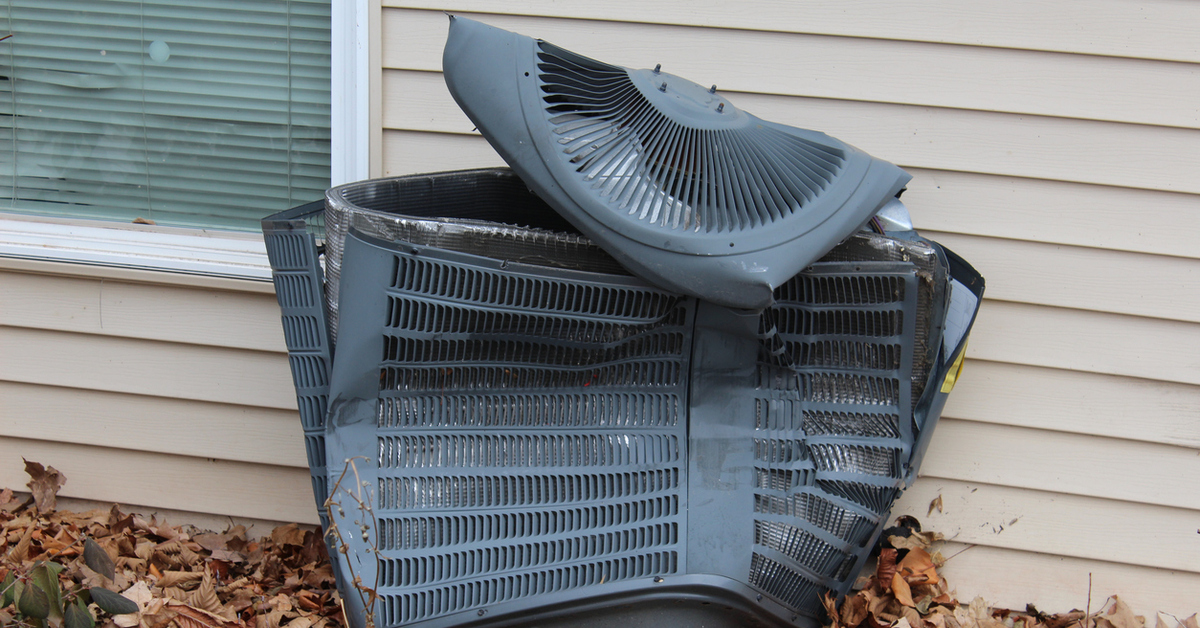
High winds are one of the biggest threats to your HVAC unit. During storms, debris such as branches, dirt, and even trash can get blown into or against your system. This can bend the aluminum fins, clog the coils, or even dent the unit. Over time, restricted airflow makes your HVAC system work harder than it should, which shortens its lifespan and raises energy bills.
Wind-driven rain can also force water into areas of the system not meant to get wet. While units are built to handle moisture, too much exposure in the wrong places can lead to rust, electrical issues, or corrosion that gradually worsens with each storm season.
Lightning and Power Surges
Thunderstorms bring another hidden threat: power surges. When lightning strikes nearby, the sudden electrical surge can fry your HVAC’s sensitive electronics. Even if the system does not shut down completely, components like the thermostat, compressor, or control board can be damaged.
These issues are not always visible right away. You might notice your system running inefficiently, turning off unexpectedly, or failing to cool or heat properly weeks after the storm. Without surge protection or professional inspection, the damage can snowball into a costly breakdown.
Flooding and Water Exposure
If your home is in an area prone to heavy rain or flooding, your HVAC system may face more direct risks. Standing water around or inside the unit can cause rust, short circuits, and even mold growth. Floodwater in particular is dangerous because it often contains dirt and contaminants that damage internal parts.
Even after the water recedes, the lingering effects of moisture can cause electrical connections to weaken and metal components to corrode. This type of storm damage often goes unnoticed until the system begins to fail.
Long-Term Wear and Tear
One storm may not ruin your HVAC system, but repeated exposure adds up. Each time high winds bend the fins, water seeps inside, or a surge stresses the electronics, the system’s overall health declines. Eventually, this leads to:
- Reduced energy efficiency
- More frequent repairs
- Shortened system lifespan
- Uneven heating and cooling inside the home
Homeowners sometimes mistake these issues as a sign that their system is simply “getting old.” In reality, storm damage may be the reason your HVAC seems to be wearing out earlier than expected.
Protecting Your HVAC System from Storm Damage
The good news is there are ways to reduce the impact storms have on your system. A little preparation and regular care go a long way.
- Clear the area around your unit: Before storm season, remove loose branches, yard debris, and anything else that could blow into your HVAC system.
- Invest in a surge protector: Whole-home surge protection can shield your HVAC electronics from lightning-related power surges.
- Use a protective cover when not in use: During the off-season, a breathable cover can prevent debris and rain from collecting inside your unit.
- Schedule preventative maintenance: Professional inspections after major storms can catch hidden damage before it becomes a costly issue.
Want to stay on top of HVAC maintenance? We recommended enrolling in our Chill Preventative Maintenance plan! With this plan, you will receive bi-annual tune-ups, priority service and more! Visit our website or give us a call today to enroll.
Storms are unpredictable, but the effects they leave on your HVAC system can last long after the skies clear. While your system is designed to withstand outdoor conditions, repeated exposure to wind, rain, lightning, and flooding eventually takes a toll. By understanding the risks and taking preventative measures, you can extend the life of your HVAC system and protect your home’s comfort year-round.
If your system has recently endured a major storm or you suspect storm damage, scheduling a professional inspection is the best way to ensure your HVAC is safe, efficient, and ready for the seasons ahead.
No matter what HVAC services you are looking for, we got your back! We have a team full of trained and licensed technicians who will work directly with you to get you the comfort you deserve. We service many areas including HVAC services Austin.

I’m Francis Kaspar, a 35-year-old HVAC technician with over 10 years of experience in the industry. I hold a certification in HVAC technology from Texas State Technical College, where I gained hands-on skills that shaped my career.
Currently, I’m working at The Chill Brothers, specializing in AC installation, repair, and energy-efficient solutions. Outside of work, I enjoy spending time with my wife and two kids.
I’m also passionate about sharing my HVAC knowledge written by articles that provide practical tips and tricks for homeowners.