Key Takeaways:
- You can reduce the strain on your HVAC system by getting routine maintenance, changing your air filters, using a smart thermostat, clearing vents, and ensuring proper insulation.
- You should also upgrade your system when necessary to ensure that there is no excessive strain on your HVAC system.
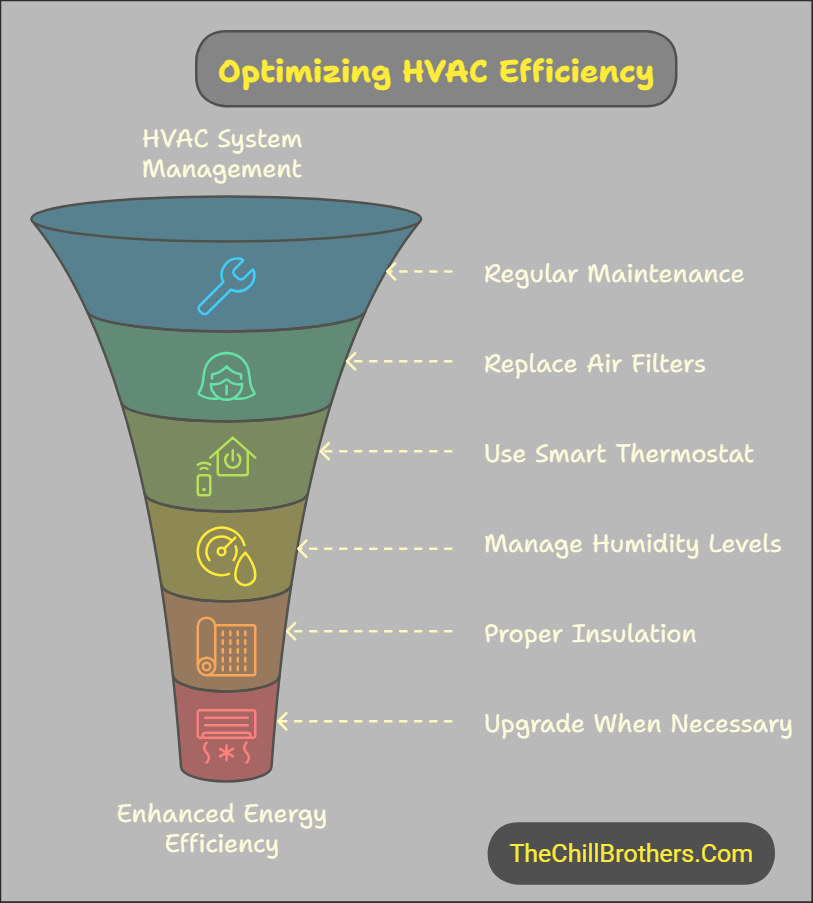
Regular Maintenance
One of the best things you can do to limit the strain on your HVAC system is to get routine HVAC maintenance. During routine maintenance such as tune-ups, it allows excerpts to identify any signs of wear and tear and inspect all components of the system to ensure it’s running properly. This is also good to make sure that the system is not pulling an excessive amount of energy, which can help you lower your energy bills.
If you are not already enrolled in an HVAC maintenance plan, The experts at The Chill Brothers recommended enrolling in their Chill Preventative Maintenance Plan. For only $19.95 a month, you can receive bi-annual tune-ups, priority service and more! Give them a call or visit their website for more information.
Replace Air Filters
Neglecting to regularly change your air filters is one of the top causes of HVAC strains. This is because when the air filters are full or clogged, it causes the system to work harder to push the air through. It is recommended to change your air filters at least once a month, depending on the type of filter.
Use a Smart Thermostat
Smart thermostats can alleviate the strain on your HVAC system by automatically adjusting temperatures to match your daily routine. Many models feature an “away” mode, which changes the temperature when you’re not home, reducing the energy required to heat or cool your space. This helps prevent unnecessary wear on your system, keeping it running efficiently.
If you are interested in upgrading to a smart thermostat to help the strain on your HVAC system, give The Chill Brothers a call! They will install ANY smart thermostat for only $199! Give them a call today or visit their website for more information.
Manage Humidity Levels
HVAC systems come equipped to help monitor humidity levels, but when the levels go completely out of whack, it can cause excessive strain on your system. You can make sure humidity doesn’t cause your system to overwork itself by installing a dehumidifier and getting routine maintenance.
If you notice that your home has high humidity, it is best to have an expert at The Chill Brothers come out to assess the situation and make sure your system is still running how it should. They service many areas including HVAC repair Montgomery.
Proper Insulation
In Texas, where the heat can be intense, it’s crucial to keep your home’s cool air inside to avoid putting extra strain on your HVAC system. Proper insulation is key, as well as keeping your ductwork and vents clean and free from debris. It’s also important to ensure that all vents are unobstructed by furniture, curtains, or other items to maintain optimal airflow.
Upgrade When Necessary
Above all, the best way to ensure your HVAC system is working and not causing strains is to upgrade when necessary. If your system is older, needing frequent repairs or causing your energy bills to increase, it may be time to upgrade.
Right now, The Chill Brothers will buy back your old system for up to $2,000 when you upgrade with them. Visit their website for more information about their HVAC services.
No matter what HVAC services you are looking for, including how to reduce HVAC strains, The Chill Brothers got you covered!

I’m Francis Kaspar, a 35-year-old HVAC technician with over 10 years of experience in the industry. I hold a certification in HVAC technology from Texas State Technical College, where I gained hands-on skills that shaped my career.
Currently, I’m working at The Chill Brothers, specializing in AC installation, repair, and energy-efficient solutions. Outside of work, I enjoy spending time with my wife and two kids.
I’m also passionate about sharing my HVAC knowledge written by articles that provide practical tips and tricks for homeowners.