The air filter is one of the most crucial yet overlooked parts of the HVAC system. It keeps your indoors clean and free from allergens. Understanding when to change an air filter is important to save a lot of money by avoiding both premature costs and repair costs in the future.
In this article, we will cover air filter lifespans by type, how different factors can affect the lifespan, and signs that it’s time for a new air filter for your system.
TL;DR
Air filter lifespan depends almost entirely on the type of filter, not just how long it has been installed. A fiberglass filter and a HEPA filter can have dramatically different replacement schedules even in the same home with the same HVAC system.
- Fiberglass filters: replace every 1 to 2 months due to lower filtration density and faster saturation
- Pleated filters: last 3 to 6 months and offer better filtration than fiberglass at a moderate cost
- HEPA filters: replace every 2 to 3 months because their high filtration capacity fills faster
- Electrostatic filters: can last 3 to 6 months but require cleaning rather than replacement at regular intervals
- Signs it is time to change: reduced airflow, visible grey coating on the filter face, rising energy bills, or musty odors from vents
- Key factor shortening lifespan: pets, high foot traffic, nearby construction, or an older HVAC system all accelerate filter saturation
What Is an Air Filter?
An air filter is a vital component of your HVAC system that traps airborne particles, such as dust, pollen, pet dander, and other contaminants. It filters the air circulating in your home to make it clean and free from allergens.
Role of Air Filters
Because air filters remove most of the contaminants from the air, they play the following role in the overall HVAC system.
- Improving air quality
- Lowering energy consumption
- Protecting HVAC components
- Preventing mold growth
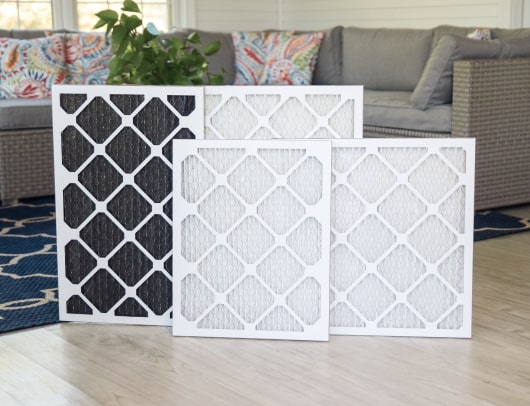
Types of Air Filters
There are several types of air filters available, each with its own unique features and filtration capabilities:
- Fiberglass Filters: These are the most common and affordable filters. They provide basic filtration but need replacement more frequently.
- Pleated Filters: Pleated filters are more efficient than fiberglass filters and offer better filtration. They typically last longer.
- Electrostatic Filters: These filters use electrostatic charges to attract and capture particles. They are effective in trapping smaller particles and can have a longer lifespan.
- HEPA Filters: High-efficiency particulate air (HEPA) filters are the gold standard for air purification. They are highly efficient at removing even tiny particles from the air but require more frequent replacement.
Lifespan of Air Filters
On average, air filters can last anywhere from one to six months. More efficient filters, such as HEPA filters, may have shorter lifespans due to their higher filtration capacity.
Some regions have more pollution than others. Air filters work harder and wear out faster in these environments.
Air Filter Lifespan By Type

To ensure your HVAC system runs efficiently and your indoor air quality remains high, it’s important to replace your air filter regularly. Here are some general guidelines:
- Basic Fiberglass Filters: Replace every 1-2 months.
- Pleated Filters: Replace every 3-6 months.
- Electrostatic Filters: Follow the manufacturer’s recommendations but typically replace every 3-6 months.
- HEPA Filters: Follow the manufacturer’s recommendations, but they may need replacement every 2-3 months.
Regularly changing your air filters can help alleviate allergies, but you can also add an Air Scrubber or a UV light to help keep your air clean and healthy. The Chill Brothers offer many solutions for air purification services. Give them a call today to elevate your air!
Factors Affecting Air Filter Lifespan
The lifespan of an air filter depends on several factors, such as:
- Type of filter
- Air quality in your indoors and outdoors
- Frequency of HVAC system use.
No matter what kind of filter your system uses, you have to change it regularly. If you have questions regarding your air filters, contact the experts at The Chill Brothers! They serve in Tomball and other areas across the state.
How to Know If You Need to Change the Air Filter?
It is always better to change your filter within your manufacturer’s recommendation period. A good rule of thumb is to check the filter once per month for visible dirt and dust. Besides, look out for failing signs if your air filter is failing.
Here are some signs that your air filter needs an inspection:
- Increased energy bills
- Reduced airflow from vents
- Dust around vents or in the home
- AC or furnace overheating
- Unusual HVAC noises
- Musty or Dusty odors
Right now The Chill Brothers are offering their $2,000 Buy Back Program, where they will buy back your old system for up to $2,000 when you upgrade. View the website for more information.
Frequently Asked Questions (FAQs)
1. How long do air filters last?
It depends on the filter type. Fiberglass filters last 1 to 2 months. Pleated filters last 3 to 6 months. HEPA filters last 2 to 3 months. Electrostatic filters last 3 to 6 months but require cleaning rather than replacement. Pets, high HVAC runtime, and poor outdoor air quality all shorten these ranges.
2. How long are air filters good for?
Fiberglass filters are good for 1 to 2 months. Pleated filters are good for 3 to 6 months. The “good for” period depends on visible saturation, not just time. Check your filter monthly. If the filter face has a visible grey coating, it is past its usable life regardless of how long it has been installed.
3. How long do electrostatic air filters last?
Electrostatic air filters are reusable and typically last the life of your HVAC system if maintained correctly. They do not need replacement on a schedule; instead, wash them every 1 to 3 months with water, let them dry completely, and reinstall. Electronic whole-home air cleaners use collection cells that need cleaning every 1 to 3 months, depending on air quality.
4. How long do HEPA air filters last?
HEPA filters in residential HVAC systems typically need replacement every 2 to 3 months. Their dense filtration media captures much smaller particles than pleated or fiberglass filters, which causes them to load up faster despite the higher purchase price. Standalone HEPA air purifier filters may last 6 to 12 months, depending on the unit and room air quality.
5. What are the signs that an air filter needs changing?
The clearest signs are: a visible grey or brown coating on the filter face (the most reliable indicator), reduced airflow from vents or rooms that struggle to reach temperature, rising energy bills without a usage change, musty or dusty odors coming from vents, and your HVAC running louder or longer than usual. If you see any of these before the scheduled replacement date, change the filter immediately, regardless of how recently it was installed.
Conclusion
Air filters are a vital part of your HVAC system, contributing to both indoor air quality and system efficiency. Understanding the type of filter you have, its lifespan, and the factors affecting it will help you determine when to replace it.
Timely changing of your air filter will not only save you money on energy bills but also provide you with cleaner and healthier air to breathe. However, unnecessary changes can be a waste of money. So, inspect regularly and keep an eye out for signs of a worn-out filter, and make replacement a part of your routine HVAC maintenance.

I’m Francis Kaspar, a 35-year-old HVAC technician with over 10 years of experience in the industry. I hold a certification in HVAC technology from Texas State Technical College, where I gained hands-on skills that shaped my career.
Currently, I’m working at The Chill Brothers, specializing in AC installation, repair, and energy-efficient solutions. Outside of work, I enjoy spending time with my wife and two kids.
I’m also passionate about sharing my HVAC knowledge written by articles that provide practical tips and tricks for homeowners.